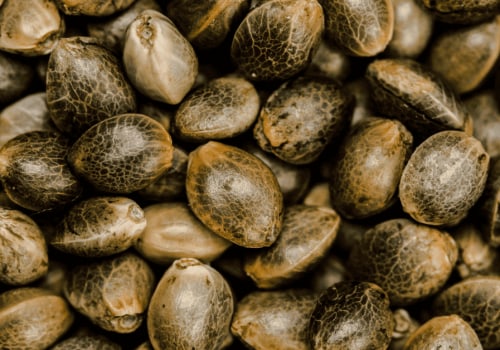
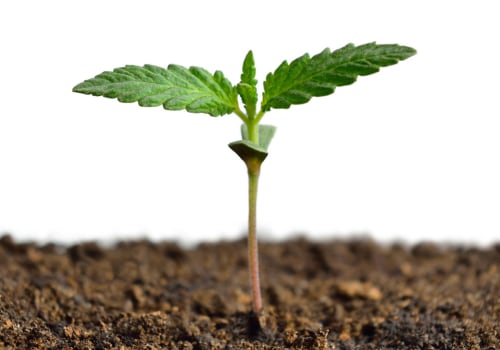
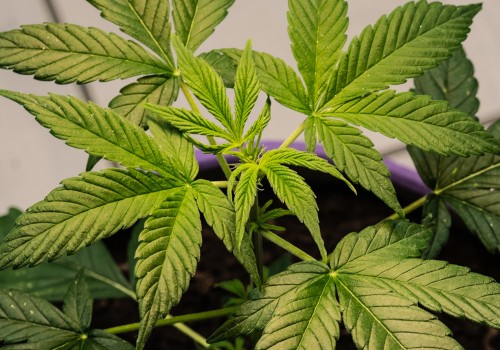
Cannabis seeds are the starting point of cannabis plants and can differ in characteristics depending on genetics and variety. They are commonly discussed in terms such as indica, sativa, hybrid, and CBD-dominant varieties, although these labels do not always predict a person's experience with cannabis. Seed characteristics can also vary according to genetics, intended cultivation traits, and the compounds a mature plant may produce. For individuals interested in cannabis, understanding the distinction between seeds, plants, and finished products is important because the effects associated with cannabis consumption depend on factors such as cannabinoid and terpene profiles, product formulation, dose, and individual physiology. Information about cannabis should therefore be approached carefully, particularly when personal health or wellness goals are involved.
Considering Different Varieties
Cannabis varieties are often marketed according to their expected characteristics, but product labels should not be treated as guarantees of specific effects. Two products carrying similar strain names can have different chemical profiles depending on genetics, cultivation, processing, and testing. Some varieties are associated with higher concentrations of THC, while others may contain more CBD or a combination of cannabinoids. Terpenes can also contribute to a product's aroma and may influence how consumers perceive different varieties. Anyone considering cannabis should review reliable product information and understand applicable local laws. Medical or wellness decisions should also involve an appropriate healthcare professional, particularly when cannabis may interact with medications or existing health conditions.
Connecting Cannabis With Personal Wellness
Wellness goals can differ significantly from person to person. Someone may be interested in relaxation, while another individual may be exploring cannabis in connection with an existing medical treatment. However, cannabis should not automatically be considered a solution for stress, sleep difficulties, pain, or emotional concerns. Its effects can vary widely, and some people may experience unwanted effects such as dizziness, impaired coordination, increased heart rate, anxiety, or changes in concentration. Understanding personal circumstances is therefore more important than choosing a variety based solely on its name. Individuals should consider whether cannabis aligns with their health needs, responsibilities, lifestyle, and professional guidance.
Considering Mental and Emotional Wellness
Cannabis use can intersect with psychological well-being in complex ways. Some individuals may report feeling relaxed, while others may experience increased anxiety, paranoia, or changes in mood, particularly with higher THC exposure. Anyone with concerns about mental health should discuss cannabis use with an appropriate healthcare professional rather than assuming that a particular variety will produce a predictable emotional response. Psychological support can also be useful when individuals are trying to understand patterns of stress, coping, or substance use. Resources such as Cabot Psychological Services can provide professional support for individuals addressing emotional wellness concerns and developing healthier coping strategies alongside other aspects of personal healthcare.
Making Informed Wellness Decisions
Responsible wellness decisions involve looking beyond marketing claims and considering reliable information. Individuals should understand the cannabinoid content of products, potential side effects, possible medication interactions, and relevant legal restrictions. Products should be obtained through lawful and regulated channels where available, and people should avoid driving or performing safety-sensitive activities while impaired. Cannabis is not appropriate for everyone, and certain populations may face additional risks. Consulting a qualified healthcare professional can help individuals make decisions based on their personal circumstances rather than generalized claims about specific strains or seed varieties.
Taking a Whole-Person Approach
Cannabis seeds may be an interesting part of discussions about cannabis genetics and product varieties, but personal wellness involves much more than selecting a particular type. Healthy sleep, balanced nutrition, physical activity, meaningful relationships, stress-management strategies, and appropriate medical and psychological care all contribute to overall well-being. Individuals who choose to explore cannabis should maintain realistic expectations and pay attention to how products affect them. Ultimately, understanding cannabis varieties is most useful when combined with responsible decision-making and awareness of individual health needs. A whole-person approach encourages people to consider physical health, emotional wellness, daily responsibilities, and professional guidance together, helping them make more informed choices about whether cannabis fits appropriately within their broader approach to personal wellness.