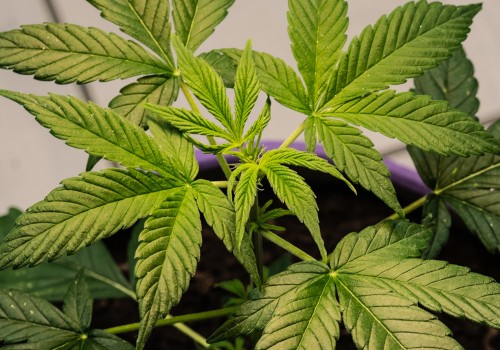
Cannabis seed regulations continue to shape the industry because seeds sit at the beginning of the entire cannabis supply chain. Before cultivation, processing, distribution, retail sales, branding, or consumer access can happen, businesses must understand how seeds are classified, sourced, transported, sold, documented, and used. Regulations surrounding cannabis seeds can vary depending on federal rules, state laws, licensing requirements, THC limits, agricultural standards, and local enforcement priorities. This creates a complicated environment for growers, seed banks, retailers, investors, and entrepreneurs who want to participate in the cannabis market without creating unnecessary legal risk. Even when seeds appear simple as a product, they can raise major questions about compliance, ownership, genetics, labeling, testing, and interstate activity.
Why Seed Rules Affect Business Planning
Cannabis seed regulations influence how businesses plan their operations from the very beginning. Companies may need to confirm whether they can legally sell seeds, ship them, store them, advertise them, or use them for cultivation. They may also need to document seed genetics, supplier relationships, germination rates, strain names, and intended use. If regulations are misunderstood, a business may face licensing issues, product seizures, contract disputes, advertising problems, or lost investment. This is especially important because seed-related decisions can affect future crop quality, brand reputation, and customer trust.
The Role of Legal Guidance
Law firms can help cannabis businesses understand the legal responsibilities tied to seed sourcing, vendor contracts, intellectual property, compliance procedures, and risk management. Clear legal guidance can also help companies avoid vague agreements with breeders, suppliers, distributors, or investors. While cannabis regulation is different from injury-related legal work, firms such as Jordan Law Accident & Injury Lawyers reflect the broader importance of understanding rights, responsibilities, and legal exposure before business decisions lead to disputes or financial harm. In a highly regulated industry, legal awareness can make the difference between responsible growth and costly setbacks.
Protecting Genetics, Branding, and Partnerships
Cannabis seeds can also involve intellectual property and branding concerns. Businesses may need to protect strain names, breeding methods, proprietary genetics, packaging, and marketing materials. Written agreements can clarify who owns certain genetics, who may reproduce seeds, how royalties are handled, and whether exclusivity applies. Without clear terms, disputes can arise between breeders, growers, retailers, and investors.
Supporting Industry Stability
Ultimately, cannabis seed regulations continue to shape the industry because they influence compliance, product quality, business relationships, and long-term growth. As laws continue to evolve, cannabis businesses need careful planning and professional support to remain responsible and competitive. Law firms play an important role by helping industry participants understand changing rules, manage contracts, protect assets, and reduce risk. With strong legal guidance, cannabis businesses can build more stable operations from the seed stage forward.